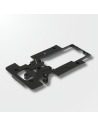
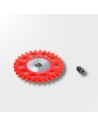
When it comes to enhancing the performance of a slot car, fine-tuning a model, or customizing a collectible miniature, aluminium components make a real and tangible difference. It’s not just an aesthetic issue: aluminium provides a combination of lightness, rigidity, and dimensional precision that standard plastics simply cannot match. At Ministry of Hobby, we understand why so many enthusiasts—from those taking their first steps in tuning to competitors with years of experience—turn to this material when they want to level up.
Aluminium is present in virtually every corner of the hobby: machined axles, machined wheels, motor mounts, competition chassis, adapters, spacers, model supports, and structural parts for dioramas. The reason is simple: it offers a weight-to-strength ratio that is hard to surpass with other accessible materials, and its precision machining ensures very tight tolerances, which is critical when dealing with components that spin at thousands of revolutions per minute or that must fit perfectly to transmit motion without play.
In this section, you will find our entire range of aluminium parts and accessories, organized so you can locate exactly what you need, whether you are looking for a spare axle or building a competition car from scratch or putting the finishing touches on your diorama. Exploring these pages with a bit of discernment will save you time and give you the assurance of buying the correct component for your project.
What is aluminium and why does it matter so much in this hobby
Aluminium is a lightweight metal, resistant to corrosion and with excellent machinability. These three properties combined make it the favourite material for high-end spare parts manufacturers for slot and modelling in general. Unlike zinc or brass, aluminium allows for the manufacture of parts with very thin walls without compromising structural strength, which directly translates into fewer grams on the car and more control over weight distribution.
In the world of slot, aluminium mainly appears in three areas:
- Transmission: precision-turned front and rear axles, machined wheels for competition tyres, spacers, and bushings.
- Structure: adjustable motor mounts, aluminium chassis or sub-chassis for competition cars, guide supports.
- Adjustment and customization: machined ballast weights, adapters for different track systems, precision screws and fittings.
In static modelling, dioramas, and diecast collecting, aluminium appears in display stands, machined bases, workshop tools, and precision tools. The weight difference compared to steel, while maintaining similar rigidity, is what makes leading manufacturers like NSR, Slot.it, or Scaleauto opt for it in their high-end spare parts catalogues.
How to correctly choose an aluminium component
Not all aluminium parts are the same, nor do they serve the same purposes. Before buying, it is advisable to have some criteria clear:
Compatibility with your car or system
The first filter is always compatibility. An aluminium axle has a nominal diameter (usually 3 mm in 1/32), but the length and type of finish vary according to the chassis. The same goes for wheels: the inner diameter, width, and type of fit (press, glue, or screw) determine whether the part is suitable for your model. Always check the manufacturer's specifications before purchasing, and if in doubt, ask us.
Quality of machining
The precision of machining is decisive. An aluminium wheel with poor concentricity will generate vibrations and unbalance the car, no matter how good the tyre mounted on it is. Leading brands in aluminium spare parts for slot—NSR, Slot.it, Avant Slot, Scaleauto—invest in high-precision CNC machinery precisely to ensure tolerances of tenths of a millimetre.
Weight and position in the car
Aluminium reduces weight compared to other metals, but it is still heavier than plastic. When you add aluminium parts to a car, you modify the weight distribution, which affects cornering behaviour and traction. This is not bad at all—in fact, it is a tuning tool—but it should be done consciously, not randomly.
Intended use: street or competition
For a home or collection car, the original plastic parts are usually sufficient. Aluminium components are mainly designed for those preparing cars for competition circuits or for those seeking maximum performance at home. If you are starting out, it is not necessary to change everything at once; start with the axles and wheels, where quality aluminium makes a more noticeable difference.
Main types and differences
Within our aluminium section, parts of very different nature and function coexist. Let’s review the most relevant:
Aluminium axles
Precision-turned aluminium axles replace standard steel or plastic axles. They are lighter, have a more uniform surface, and allow for freer rotation in the mounts. They typically come in a diameter of 3 mm and in various lengths to fit different chassis. Some include milled flats for pinion or crown gear tightening.
Aluminium wheels
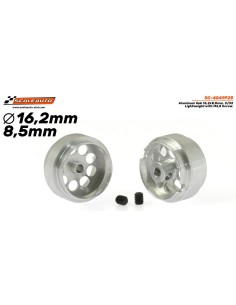
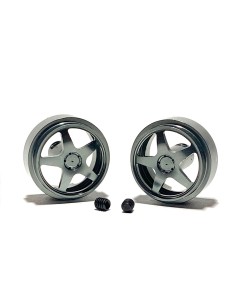
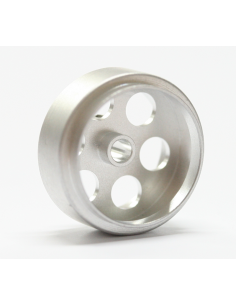
They are probably the most popular aluminium parts in slot. Machined wheels guarantee much greater concentricity than injected plastic ones, which reduces vibrations and improves tyre contact with the track. They come in multiple diameters and widths for different scales and disciplines (GT, prototypes, F1…). Some are designed for glue mounting, while others are for press fit.
Motor mounts and supports
Aluminium motor mounts allow for precise adjustment of the motor position, which directly affects the centre-to-centre distance (pinion-crown gear) and, therefore, the play of the transmission. They are common in sidewinder and inline setups, where the exact positioning of the motor is critical for performance and gear durability.
Ballast and aluminium weights
Machined aluminium ballasts allow for controlled weight addition in specific positions of the chassis. They are an advanced tuning tool: depending on where you place them, you can improve rear traction, balance in fast corners, or the overall stability of the car.
Parts for modelling and dioramas
In the realm of static modelling and dioramas, aluminium appears in the form of profiles, thin sheets (to reproduce metal panels or structures), display supports, and workshop tools such as sanding blocks or cutting guides.
Technical aspects we should know
Working with aluminium in the hobby has its technical peculiarities that are worth knowing before diving in:
Alloys and hardness
Not all aluminium is the same. Quality spare part manufacturers use aerospace-grade aluminium alloys or similar (such as 6061 or 7075), which offer much higher hardness and strength than pure aluminium. This is especially important in parts subjected to repetitive stresses, such as axles or mounts.
Anodizing
Many aluminium parts for slot come anodized: it is an electrochemical treatment that hardens the surface and protects it against oxidation and wear. Anodizing also allows for colouring the parts (black, red, blue, silver…), which has aesthetic value in competition or display cars. A properly anodized part lasts much longer than an untreated one.
Tolerances and fit
The advantage of machined aluminium is dimensional precision. But that same precision requires that the parts fit correctly with the rest of the assembly. An axle with a diameter slightly different from the nominal may rotate with too much play or, conversely, require force to insert. Always check the tolerances indicated by the manufacturer and compare them with the measurements of your chassis.
Heat conduction
Aluminium conducts heat better than plastic. In motor mounts, this can be an advantage, as it helps dissipate the heat generated by the motor during intense running sessions. A cooler motor performs better and maintains its performance for longer.
Practical tips for use, maintenance, and tuning
Getting the most out of your aluminium components is not complicated, but there are some practices that make a difference:
- Regular cleaning: anodized aluminium cleans easily with a slightly damp soft cloth. Avoid aggressive solvents that may attack the anodizing and leave marks.
- Axle lubrication: aluminium axles in nylon or bronze mounts benefit from light lubrication with specific slot oils. A few drops every few runs is sufficient; excess attracts dirt.
- Transmission adjustment: when installing an adjustable aluminium mount, always start by checking the play between pinion and crown gear. Too much play generates noise and wear; too little causes power loss and overheating. The ideal point is for the gears to mesh smoothly and without noticeable play.
- Wheel balancing: if you install new aluminium wheels, check their concentricity by letting them spin freely on the axle. Any visible wobble indicates a problem that should be resolved before mounting the tyre.
- Screw tightening: aluminium is softer than steel. Do not overtighten screws on aluminium threads: you can damage the material. If a thread wears out, there are steel threaded inserts available to recover it.
Common mistakes to avoid
Over the years, we have seen certain mistakes repeated when working with aluminium parts. Here are the most common so you don’t fall into them:
- Buying without checking compatibilities: a beautiful aluminium part that does not fit your chassis is useless. Always check the measurements before purchasing.
- Ignoring anodizing: using un-anodized parts in areas exposed to wear significantly reduces their lifespan. Anodizing is not just aesthetic.
- Mixing systems without informing yourself: an aluminium chassis designed for the Slot.it or Scaleauto track system may not behave the same on a Scalextric or Ninco track, as the track widths and geometries differ. Always inform yourself before combining components from different systems.
- Over-lubricating: excess oil on an aluminium axle ends up attracting dust and tyre debris, forming an abrasive paste that wears down the axle and the mount itself. Less is more.
- Discarding plastic without criteria: not everything aluminium is better just because it is. In certain positions of the car, a plastic component may be preferable due to its weight or its ability to absorb vibrations. Aluminium is a tool, not a universal solution.
Recommendations for beginners and advanced users
If you are starting out
You don’t need to turn your first car into a complete aluminium build. We recommend starting with the wheels: the quality jump compared to standard plastic ones is immediate and noticeable from the first run. Then, if you are preparing cars for competition or simply want to explore further, machined axles are the next logical step. Before buying any part, take a moment to measure the ones you already have mounted: that data will save you surprises.
If you already have experience
For advanced users, aluminium opens up a world of fine tuning. Adjustable mounts allow for surgical adjustments to the centre-to-centre distance; machined ballasts give you total control over weight distribution; axles with flats and precise tolerances reduce vibrations to a minimum. If you compete, research what regulations your championship allows and choose accordingly: some limit the materials of certain components. NSR, Slot.it, Avant Slot, and Scaleauto have very comprehensive catalogues of aluminium parts that cover most of the most popular chassis in competition.
| Component |
Common standard material |
Advantage of aluminium |
Recommended profile |
| Wheels |
Injected plastic |
Greater concentricity, less vibration |
Intermediate / Advanced |
| Rear axles |
Steel or plastic |
Less weight, greater precision |
Intermediate / Advanced |
| Motor mounts |
Plastic / nylon |
Fine adjustment, heat dissipation |
Advanced / Competition |
| Ballasts / weights |
Lead / plastic |
Precise and controlled distribution |
Advanced / Competition |
| Display supports |
Plastic / wood |
Premium finish, durability |
Collector / Modelling |
Frequently asked questions
Are aluminium wheels compatible with all 1/32 slot cars?
Not universally. Each wheel has a specific inner diameter, width, and type of fit. Always check the measurements of your axle and the type of tyre you are going to mount before purchasing.
Do I need special tools to mount aluminium parts?
In most cases, standard slot workshop tools are sufficient: Allen key, wheel puller, and, if working with adjustable mounts, a micrometer or caliper to check tolerances. Special machinery is not required.
Can anodized aluminium be scratched?
Anodizing is harder than base aluminium, but it is not indestructible. Avoid using metal tools directly on decorative anodized surfaces and store the parts protected from contact with other hard metals.
What is the difference between an aluminium axle and a steel one for slot?
Aluminium is lighter and, in quality versions, equally precise. Steel is harder and more wear-resistant, especially at the contact points with the crown gear and pinion. For high-level competition, many tuners combine both: steel axle in the gear area and aluminium bushings at the ends.
Can I use NSR aluminium parts on a Scalextric car?
It depends on the part. NSR wheels and axles are designed for NSR chassis and cars compatible with their measurements. Always check the dimensions before assuming compatibility. In the description of each product, you will find compatibility information.
Is aluminium suitable for static modelling or just for slot?
Aluminium has clear applications in static modelling, dioramas, and collecting: thin sheets to reproduce metal surfaces, structural profiles, display bases, and workshop tools. It is not an exclusive material for slot at all.
How often should I lubricate an aluminium axle?
It depends on usage. In competition or intensive running sessions, check the axles every two or three runs. For more spaced domestic use, a monthly check is usually sufficient. Apply a small drop of specific slot oil; nothing more.
Do aluminium mounts improve the speed of the car?
Not directly. What they improve is the precision of the transmission adjustment and the heat dissipation of the motor, which can lead to more consistent performance over time. Speed mainly depends on the motor and tyres.
Which brands offer the best catalogue of aluminium parts for slot?
NSR, Slot.it, Avant Slot, and Scaleauto are the brands with the most complete and consistent catalogues of aluminium components for competition slot. Each has its strengths: NSR excels in wheels and axles; Slot.it in mounts and transmission; Scaleauto in comprehensive setups.
Is aluminium suitable for all scales or just for 1/32?
Mainly, the catalogue of high-precision aluminium components is focused on 1/32, which is the premier competition scale. There is also an offering for 1/24, although more limited. In collector scales like 1/43 or 1/64, aluminium appears more in display accessories than in functional components.
Is it necessary to balance aluminium wheels before using them?
In competition, yes. An unbalanced wheel generates vibration and compromises tyre contact with the track. For domestic use, it is advisable to visually check concentricity before mounting, although formal balancing is not strictly necessary.
Can I paint aluminium parts to customize my car?
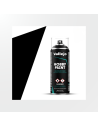
Yes, although it requires proper preparation: thorough cleaning, specific adhesive primer for metals, and, if the aluminium is anodized, a light sanding with fine grit to improve adhesion. Acrylic paints from brands like Vallejo or Tamiya yield good results on properly prepared aluminium.